
The United Arab Emirates has announced plans to withdraw from the Organization of the Petroleum Exporting Countries (OPEC) and the broader OPEC+ alliance, in a major shift in global energy dynamics amid rising oil prices linked to the Middle East conflict.
According to a statement carried by the state news agency, the UAE will formally exit the groups on Friday, citing the need to prioritise its national economic and strategic interests.
“This decision reflects the UAE’s long-term strategic and economic vision and evolving energy profile,” the statement said.
“During our time in the organisation, we made significant contributions and even greater sacrifices for the benefit of all. However, the time has come to focus our efforts on what our national interest dictates.”
The announcement comes as global energy markets face mounting pressure due to disruptions in oil supply, particularly from tensions surrounding the Strait of Hormuz—a critical shipping lane through which about one-fifth of the world’s oil supply typically passes.
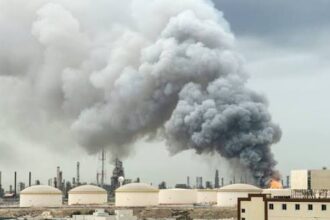
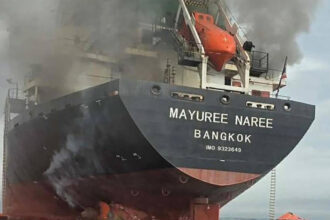
Recent developments, including reported blockades and attacks linked to Iran, have tightened supply and driven up fuel prices globally.
UAE Energy Minister, Suhail Mohamed al-Mazrouei, said the decision followed a comprehensive review of the country’s current and future energy policies.
“This is a policy decision, it has been done after a careful look at current and future policies related to level of production,” he said, adding that the UAE did not consult other countries, including Saudi Arabia, before taking the step.
The UAE has previously expressed concerns over production quotas imposed by OPEC, signalling friction within the alliance.
The move also reflects broader geopolitical tensions, with the UAE reportedly dissatisfied with the response of fellow Gulf states to recent regional security threats.
Presidential adviser Anwar Gargash criticised the reaction of Arab and Gulf countries to attacks targeting the UAE during the ongoing conflict.
As one of the world’s leading oil producers, the UAE’s exit from OPEC and OPEC+ could have far-reaching implications for global oil supply coordination and price stability.
The development adds a new layer of uncertainty to already volatile energy markets, with analysts warning that further disruptions could intensify price fluctuations in the coming months.