
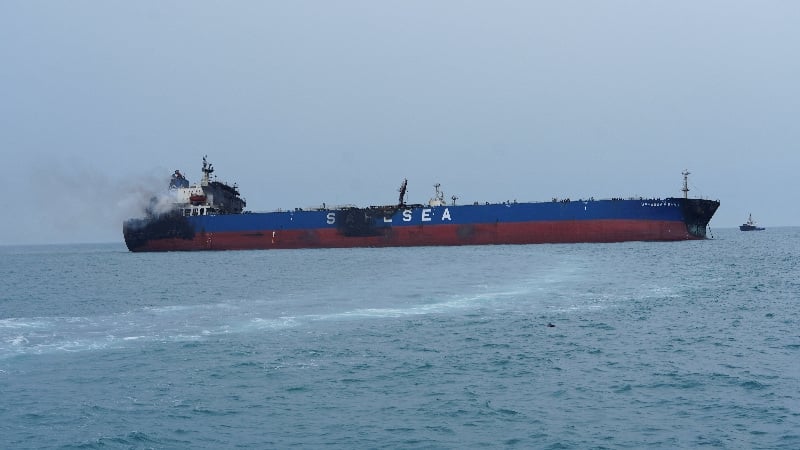
The war in the Middle East is creating what experts describe as the largest supply disruption in the history of the global oil market, according to the International Energy Agency (IEA).
In its latest market report released on Thursday, the agency said global crude oil production has dropped by at least eight million barrels per day, with an additional two million barrels per day in petroleum products such as condensates also shut off.
The conflict, which began on February 28 following joint strikes by the United States and Israel on Iran, has significantly disrupted global energy supply and weakened production capacity.
According to the IEA, the situation has been worsened by Iran’s tightening control over the Strait of Hormuz, a critical maritime route through which roughly one-fifth of the world’s crude oil passes.
The agency noted that oil shipments through the strait have fallen to less than 10 per cent of pre-crisis levels, which stood at about 15 million barrels per day in 2025.
It added that there are currently no clear signs of de-escalation in hostilities or a timeline for the recovery of oil flows through the strategic waterway.
The IEA stressed that restoring normal shipments through the Strait of Hormuz would be crucial in reducing the conflict’s impact on global energy markets.
Amid the disruption, major European stock markets recorded declines of more than half a per cent in early trading.
In Asia, Japan’s Nikkei 225 index dropped by about one per cent at the close of trading, while markets in Hong Kong ended the day down by 0.7 per cent.
The escalating tensions have also overshadowed a planned emergency release of oil reserves by the IEA’s 32 member countries.
The agency announced that members had agreed to release a record 400 million barrels of oil from their strategic reserves in an effort to stabilise global supply.
“The co-ordinated emergency stock release provides a significant and welcome buffer, but in the absence of a swift resolution to the conflict, it remains a stop-gap measure,” the IEA warned.