

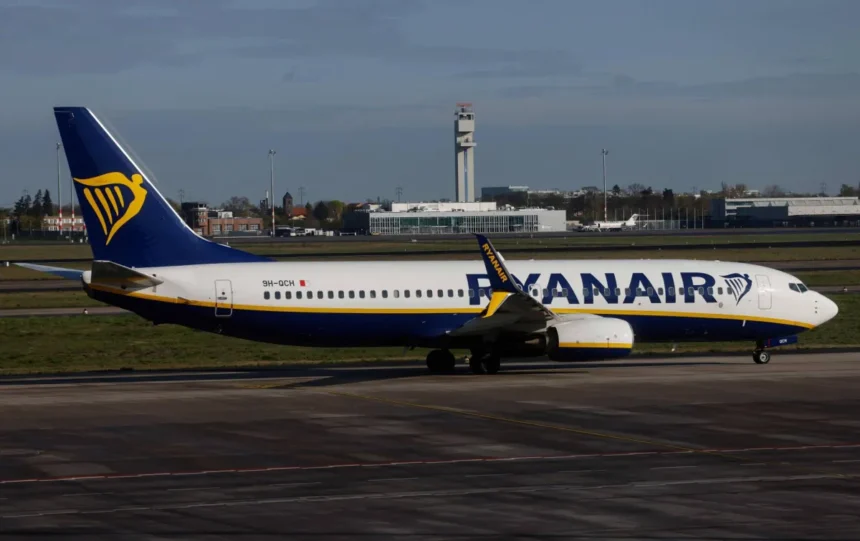
Low-cost carriers including Ryanair, Transavia, and Volotea are scaling back flight operations as surging jet fuel prices squeeze profit margins and raise concerns over wider disruptions in the aviation sector.
The spike in fuel costs has been linked to tensions in the Middle East, particularly the reported closure of the Strait of Hormuz, a key global oil transit corridor. The disruption has significantly reduced oil supply to the market, triggering sharp increases in aviation fuel prices and fuelling fears of potential shortages.
Rather than wait for supply constraints to worsen, airlines have already begun adjusting operations, with some cancelling or reducing flights.
“Travel alert: airlines are cutting thousands of flights right now,” said travel expert Karen Schaler in a recent social media update, advising passengers to secure bookings early.
Her warning aligns with concerns raised by Michael O’Leary, who noted that uncertainty over fuel availability is already discouraging travellers from making bookings.
Budget airlines, which account for over a third of the global aviation market, are particularly vulnerable due to their low-margin business model. With cheaper ticket pricing, they have limited flexibility to absorb rising operational costs compared to full-service carriers.
Analysts say while some schedule changes may reflect routine adjustments based on demand, the scale of current reductions suggests deeper financial strain.
“It is not unusual for carriers to adjust their schedules at this time of the year,” said financial analyst Dudley Shanley. However, he warned that “if jet fuel prices remain at this level, there will have to be a little bit more trimming for low-cost airlines”.
The pressure is expected to intensify as airlines head into the peak summer travel period, when demand typically rises.
Higher fuel costs are likely to force airlines to cut marginal or unprofitable routes, potentially reducing travel options for passengers and driving up ticket prices.
“Unfortunately, it’s very likely that many people’s holidays will be affected, either by flight cancellations or very, very expensive tickets,” said Dan Jørgensen in an interview with Sky News.
With fuel prices remaining volatile, industry observers say further flight reductions could follow if the situation persists. For travellers, the evolving crisis signals a season of uncertainty marked by fewer flights and rising fares.