
The Federal Government has pledged to publish a detailed account of how savings from the removal of fuel and foreign exchange subsidies have been utilized, amid growing public concerns over the impact of the reforms and persistent questions about where the funds have been spent.
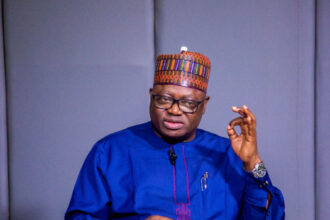
The Minister of Finance and Coordinating Minister of the Economy, Mr Taiwo Oyedele, made the pledge on Thursday at the ongoing 7th Africa Emerging Markets Forum in Abuja while responding to concerns raised by the World Bank Group’s Chief Economist and Senior Vice-President for Development Economics, Indermit Gill.
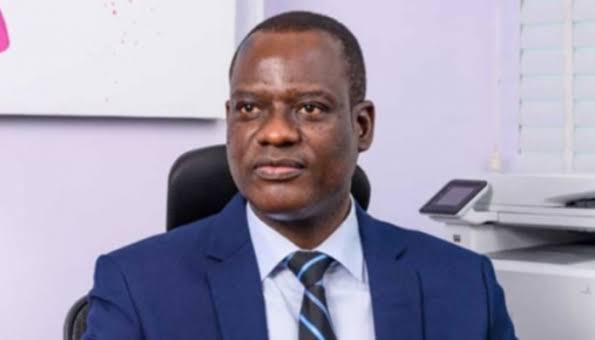
Gill noted that although the government had increased revenues, reduced subsidies and narrowed the fiscal deficit, many Nigerians remained unconvinced that the benefits of the reforms had translated into improved living conditions.
“It’s not clear to people whether savings and the additional resources have been spent,” Gill said, urging the minister to explain how the reforms had benefited ordinary Nigerians.
He also commended the Central Bank of Nigeria (CBN) for reducing inflation from above 30 per cent to below 15 per cent but stressed that sustained progress would require stronger fiscal support from the government.
Responding, Oyedele acknowledged that public concerns over subsidy savings were legitimate and assured Nigerians that a detailed breakdown would be made public within days.
“There was a question about the subsidy savings. Where has it gone to? I’ve heard this question so many times. And guess what? It’s a valid question,” he said.
According to the minister, the combined impact of removing fuel subsidies and what he described as the “subsidy on foreign exchange” amounted to about five per cent of Nigeria’s Gross Domestic Product (GDP).
“So where has the money gone to? And in a few days, you will see the detailed analysis, because we believe that we owe a duty to explain what we do to the Nigerian people. That’s what transparency looks like,” he said.
Oyedele explained that the reforms were primarily designed to eliminate economic distortions rather than simply generate fiscal savings.
He said part of the savings had been absorbed by rising debt servicing costs following higher interest rates, the implementation of the new ₦70,000 minimum wage and expanded social intervention programmes, including the Nigerian Education Loan Fund, which he said has provided tuition support and monthly stipends to more than 1.5 million students.
The minister also defended the government’s continued borrowing despite improved revenue generation, noting that increased revenue does not automatically eliminate the need for borrowing where expenditure exceeds income.
“If you have a budget to spend 10 and you have a target of revenue of six, you need to borrow four. If you collect revenue of seven, you have exceeded your revenue target… But it doesn’t change the fact that you still need to borrow three,” he said, adding that borrowing remains appropriate if it generates returns greater than its cost.
On poverty, Oyedele rejected suggestions that the reforms had worsened living conditions, insisting that the increase in poverty reflected the unavoidable consequences of correcting long-standing economic distortions.
“The reform itself was a reset. We were living in fiscal illusions. So, we needed to stop deceiving ourselves so the country can move forward,” he said.
He added that the government is now focused on converting macroeconomic stability into higher productivity, quality jobs and