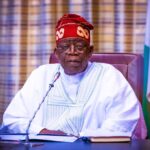

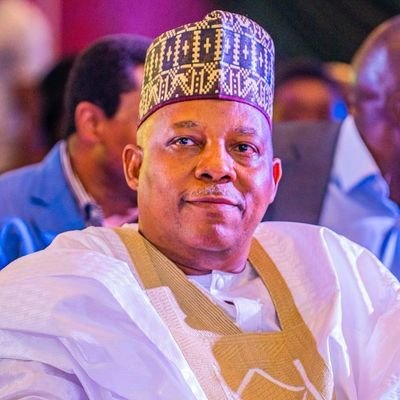
Vice President Kashim Shettima has warned that the growing population of out-of-school children in Nigeria has reached the level of a national emergency, urging coordinated intervention from governments at all tiers and key education stakeholders.
Speaking at the 2025 Nigeria Education Forum (NEF) convened by the Nigeria Governors’ Forum in partnership with the Federal Ministry of Education, the Vice President said the challenges confronting the sector cannot be resolved by government efforts alone. He stressed that no Nigerian should be denied access to higher education due to financial limitations.
Held under the theme “Pathways to Sustainable Education Financing: Developing a Synergy Between Town and Gown,” the forum focused on improving funding models and expanding equitable access to tertiary education. Shettima noted that the administration of President Bola Ahmed Tinubu has increased federal education spending from N1.54 trillion in 2023 to N3.52 trillion in 2025 under the Renewed Hope Agenda.
Represented by his Special Adviser on General Duties, Aliyu Modibbo Umar, Shettima emphasized the need to enhance teacher training, welfare, and professional status to boost learning outcomes. He also praised the National Education Loan Fund (NELFUND), which has so far released N86.3 billion to more than 450,000 students, helping to ease financial burdens.
According to him, addressing the out-of-school children challenge requires broad partnerships involving the private sector, communities, development partners, and other non-state actors. He also identified investments in laboratories, vocational centres, infrastructure, security, and industry-relevant curricula as essential to strengthening the sector.
He noted: “Building a resilient education system requires co-investment from the private sector, industry leaders, alumni associations, philanthropists, and communities. We must move beyond government-only funding to a collaborative model supporting laboratories, research centres, vocational hubs, innovation clusters, and endowment funds.”
Chairman of the Nigeria Governors’ Forum and Kwara State Governor, AbdulRahman AbdulRazaq, highlighted the growing role of states in education financing. He said state budgetary allocations rose from N1 trillion in 2022 to N3.6 trillion in 2025, but cautioned that execution gaps persist, with only 67 percent of funds utilized in 2024.
Discussions at the forum centred around three key priorities:
- Access and Continuity: Expanding enrolment, retention, and transition, especially for vulnerable groups.
- Learning and Skills Development: Improving literacy, numeracy, teacher capacity, and aligning school curricula with labour-market needs.
- Sustainable Financing and Efficient Delivery: Strengthening revenue mobilization, diversifying funding sources, and ensuring disciplined implementation of capital projects.
Shettima concluded that education reform is now an economic, social, and national security imperative. He urged stakeholders to close funding and implementation gaps to ensure that every Nigerian child is equipped to thrive in a 21st-century knowledge economy.