

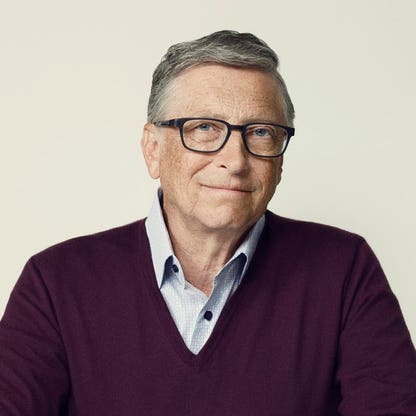
Billionaire philanthropist Bill Gates has said that while climate change poses serious challenges, it will not lead to the end of humanity. He made this assertion in a detailed memo published on Monday, ahead of the COP30 climate summit in Brazil, where he urged world leaders to adopt a more balanced and pragmatic approach to tackling global warming.
Gates, the founder of Microsoft and a major investor in clean energy through his Breakthrough Energy organization, praised the upcoming summit for emphasizing climate adaptation and human development.
“People will be able to live and thrive in most places on Earth for the foreseeable future,” Gates wrote, noting that while global warming will have “serious consequences,” it does not spell civilization’s collapse.
Anticipating criticism from some climate activists, Gates acknowledged his own carbon footprint but said he offsets his emissions through “legitimate” carbon credits.
In the memo, he outlined what he called “Three tough truths about climate” — that climate change will not end civilization, temperature is not the best indicator of progress, and that human health and prosperity remain the most effective defenses against a warming planet.
He argued that the world should focus less on strict temperature targets and more on real progress in reducing emissions. For the world’s poorest populations, he emphasized, poverty and disease remain more immediate threats than climate itself.
“Our chief goal should be to prevent suffering, particularly for those in the toughest conditions who live in the world’s poorest countries,” Gates said. “That means fewer people living in poverty and poor health so that extreme weather isn’t such a threat to them.”
Looking ahead, he urged a focus on eliminating the “green premium” — the cost gap between clean and conventional methods — particularly in high-emission industries such as cement, steel, and aviation fuel.
Comparing his climate call to a 1990s Microsoft memo that pushed the company toward the internet, Gates said the global community needs a similar “strategic pivot” at COP30 and beyond.
“Prioritize the things that have the greatest impact on human welfare,” he concluded.