
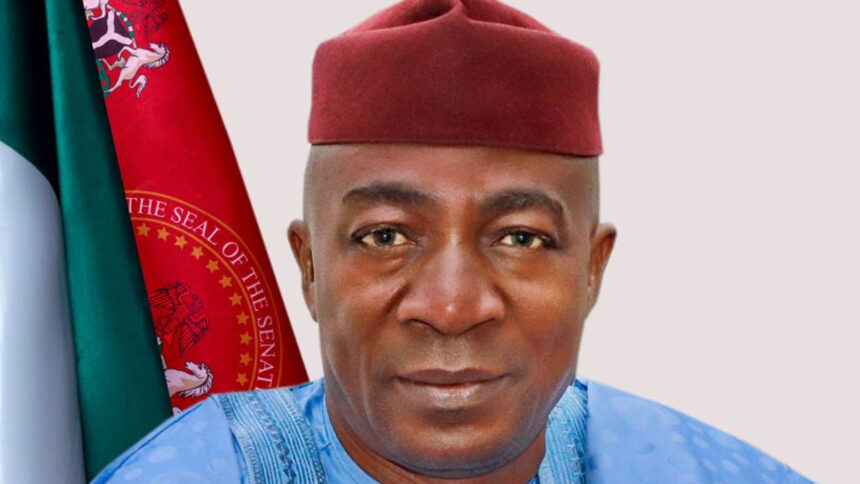
Senate spokesperson Yemi Adaramodu has maintained that the Federal Government did not pay ransom to secure the release of victims abducted in recent attacks in Kebbi and Niger states.
Speaking during During Channel Television’s Morning Brief on Friday, Adaramodu addressed public concerns over the lack of visible evidence of armed confrontation between security forces and the kidnappers during the rescue operations.
He noted that while Nigerians continue to question whether ransom payments are secretly being made, the government has consistently denied such claims. Human rights advocates and community leaders have argued that the absence of operational details often fuels speculation, especially when rescued victims return without clear explanations of the tactics deployed.
Adaramodu, however, insisted that engagements with kidnappers can take several forms, some of which cannot be publicly disclosed.
“From our side at the National Assembly, we believe the Federal Government did not pay any ransom to anybody. If there is any contact with the bandits, there are several types—negative or positive. It can be through force or persuasion,” he said.
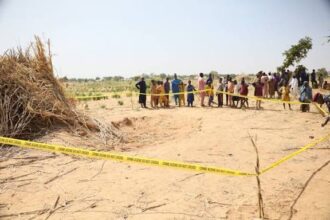
The recent school abductions in Kebbi and Niger have revived questions about intelligence gathering, response time, and early-warning systems. The senator cautioned the public against assuming that no confrontation occurred simply because there were no images of casualties or arrests.
“If you have not seen the corpses of abductors or them being handcuffed from the forest, that does not mean there was no serious exchange of battle. When abductors realise that superior power is coming, they can abandon their victims and flee,” he stated.
Adaramodu also confirmed that the Senate has set up an ad-hoc committee to probe last week’s attack on a girls’ secondary school in Kebbi State. According to briefings received, soldiers assigned to secure the school allegedly abandoned their post shortly before the gunmen struck.
“We were made to understand, especially from the government of the state, that the soldiers guarding that place left, and minutes later, those people struck and kidnapped our children,” he said.
The committee will also examine the circumstances surrounding the death of Brigadier General Musa Uba, who was involved in anti-banditry operations.
Adaramodu stressed that security agencies are not expected to publicly reveal operational tactics.
“The ways and manners of the military, how they rescue victims, cannot and will not be made public. As a security agency, they will not tell us how many bullets they shot or how many guns they lost,” he said.
He reiterated that the priority for the Senate and the Federal Government remains the safe rescue of victims.
“The job we gave them is to rescue the victims—our girls, our parents, our worshippers. What we know is that they went, they brought back those who were ferried into the forest, and that is what matters,” he added.
The Senate, he assured, will continue to demand accountability from security agencies while supporting ongoing operations across the country.