

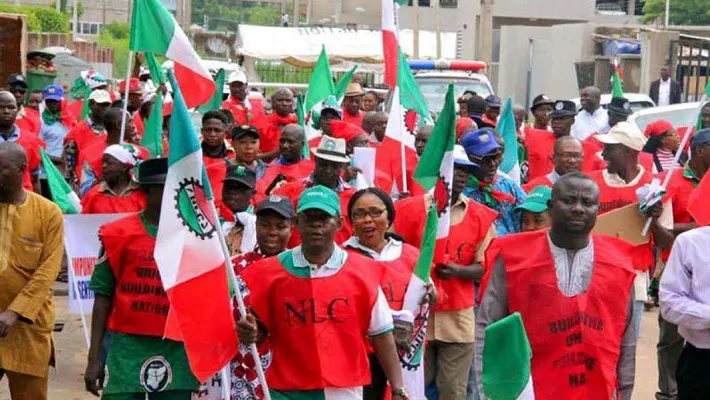
Nigerian workers joined their counterparts across the globe on Thursday to mark this year’s International Workers’ Day, with state governors acknowledging their contributions to national development and economic growth.
The Federal Government had earlier declared May 1, 2026, a public holiday to commemorate the annual event, which recognises the role of workers and the labour movement worldwide.
In Rivers State, Governor Siminalayi Fubara praised the Nigeria Labour Congress and the Trade Union Congress of Nigeria, along with their affiliate unions, for prioritising dialogue in resolving labour disputes.
Fubara noted that this approach has helped sustain industrial harmony in the state, urging labour leaders to maintain constructive engagement to ensure stable and progressive industrial relations.
He also disclosed that the ongoing rehabilitation of the State Secretariat Complex is aimed at improving the work environment and enhancing productivity, adding that workers’ resilience amid political challenges over the past 35 months would not go unrewarded.
In Katsina State, Governor Dikko Radda reaffirmed his administration’s commitment to workers’ welfare, acknowledging the economic challenges facing the country.
Speaking at the 2026 May Day celebration held at Muhammadu Dikko Stadium, Radda said the state government has implemented strategic measures, including recruitment into key sectors such as education and healthcare, to improve service delivery and reduce unemployment.
He urged workers to support government efforts by contributing actively to the state’s development, stressing that a motivated workforce is essential for sustainable growth.
Similarly, Benue State Governor Hyacinth Alia commended workers for their role in advancing development across key sectors.
He described Workers’ Day as an opportunity to recognise the importance of the workforce in driving the state’s transformation agenda, particularly through his administration’s development plan.
Alia assured workers that his government would continue to prioritise their welfare through supportive policies and capacity-building initiatives, while also appreciating labour unions in the state for their cooperation in promoting productivity.
Across the states, the messages reflected a common theme of appreciation, with calls for sustained collaboration between governments and labour unions to address economic challenges and strengthen workforce development.